Occupational Therapist Advances Feeding Care for Medically Fragile Infants
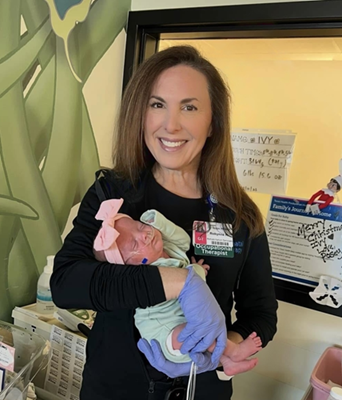
Robynne Rembecki, an occupational therapist from Texas, is advancing neonatal feeding care through an evidence-based approach that helps medically fragile infants feed safely and go home sooner.

Robynne Rembecki, MOTR/L, CNT, CEIM, NLP
NICU Therapy Coordinator, Texas Health Presbyterian Plano
Location: Texas
Certified in 1997
Helping Babies Take One More Step Toward Home
As a neonatal occupational therapist and therapy coordinator in the neonatal intensive care unit (NICU), Robynne Rembecki specializes in helping premature and medically complex infants learn one of life’s essential occupations: eating. Many infants in the NICU who require prolonged respiratory support may develop feeding difficulties and dysphagia. These issues result in longer stays in the NICU, affecting when parents can bring their baby home. Even after discharge, infants may continue to experience feeding challenges that last into early childhood.
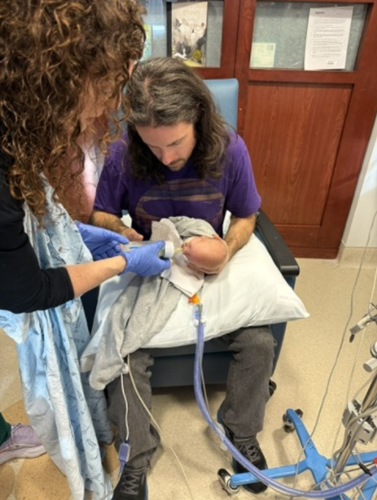
Robynne recognized an opportunity for improvement and worked to create a program that addressed infant feeding challenges and dysphagia. She introduced the use of neuromuscular electrical stimulation (NMES) during NICU feeding therapy to help infants develop safe and effective feeding skills. NMES uses small electrical impulses to activate the muscles involved in swallowing, and when paired with feeding therapy, can help improve swallowing function. This NMES feeding program shifts dysphagia care from a reactive, post-discharge model to a proactive method that begins while infants are still in the hospital. The results have reduced length of stay, allowed infants to make meaningful gains in feeding earlier, and changed how feeding difficulties are treated within the NICU.
Finding a Better Way to Treat Infant Dysphagia
NICU infants with dysphagia may require thickened formula feeds for safe swallowing and may be discharged from the hospital on thickened formula. Once discharged, some infants return to the hospital multiple times per week for several weeks or months for feeding therapy, placing a significant burden on families. Robynne initially implemented NMES in an outpatient setting with former NICU infants who had been discharged on thickened formula. The goal was to support progression toward human milk feeding when appropriate. Seeing promising results from NMES with this client population, Robynne considered whether this intervention could be initiated earlier, before infants were discharged from the hospital. With support from her facility’s medical and rehabilitation directors and in collaboration with a speech language pathologist experienced in NICU-based NMES, Robynne began using NMES in a Level IV NICU. Initiating OT intervention in the NICU allowed therapy to occur at a higher frequency and in shorter sessions, with the infants demonstrating progress toward their feeding goals during their hospitalization.
From Measurable Clinical Outcomes to Meaningful Improvements
Robynne was able to formally expand and evaluate a NICU NMES program through a year-long evidence-based practice fellowship at Texas Christian University. The program’s objectives included improving swallow function, supporting safe and efficient oral feeding, reducing length of hospital stay, increasing discharge on human milk, and decreasing the need for a gastrostomy tube. The overall vision of the program was to enhance the quality of life for infants and families by addressing dysphagia earlier in the NICU course, supporting maternal lactation goals, and promoting participation in the occupation of feeding. At the time of implementation, no NICUs in the Dallas-Fort Worth area used NMES in the NICU setting, and this program represented a new and innovative model.
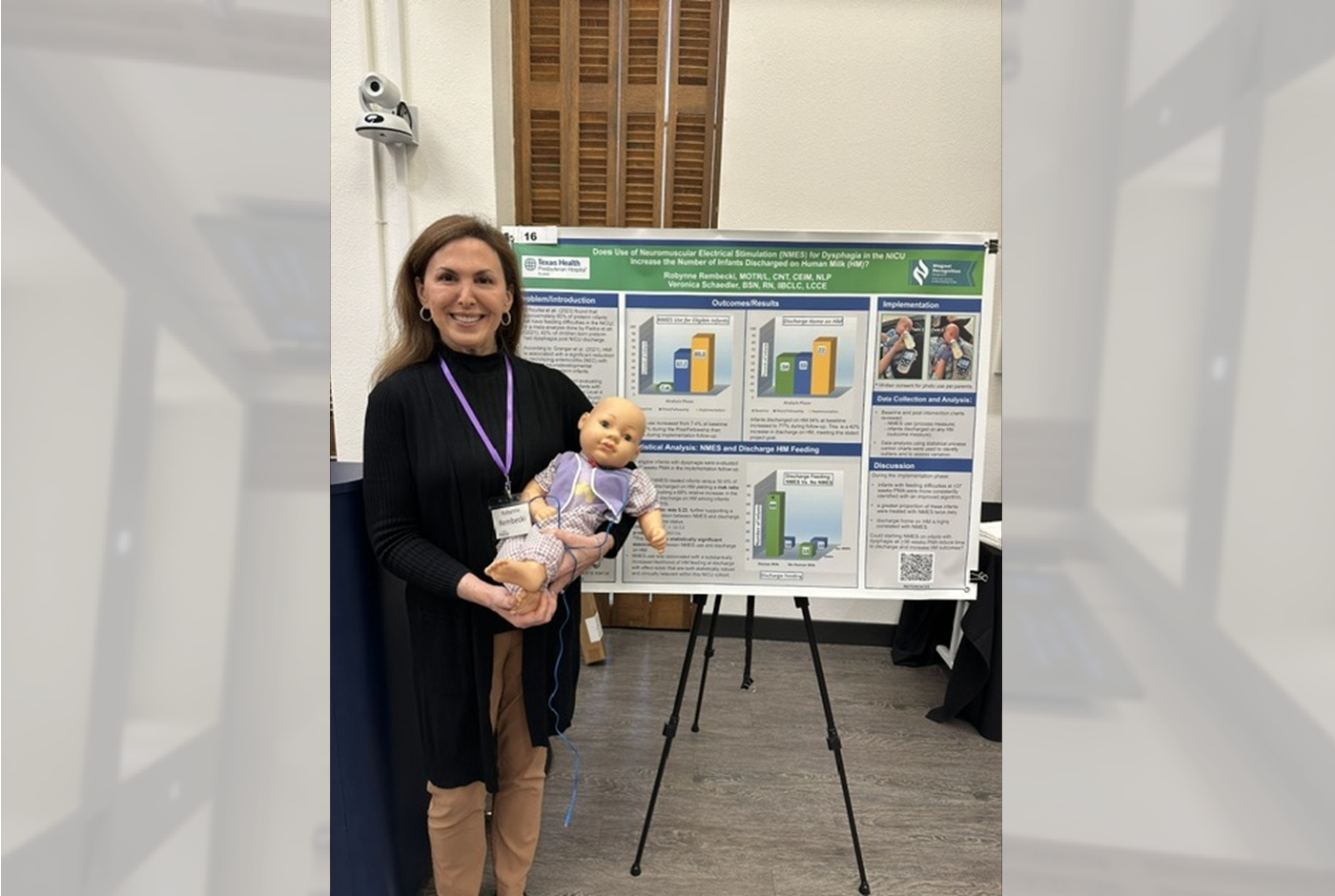
The program results demonstrated meaningful change in clinical practice and client outcomes. NMES use among eligible infants increased from 7.4% pre-implementation to 80.2% during the implementation phase, demonstrating successful integration of the intervention into routine NICU practice. Infants with feeding difficulties who received NMES at greater than 37 weeks postmenstrual age spent less time in the hospital, with an average length of stay of 17.8 days compared to 21.8 days for infants receiving standard care. The four-day difference was statistically significant, which translates to fewer days of monitors and hospital routines, ultimately improving the overall transition from NICU to home for infants and their families.
For Robynne, these statistics represent what evidence-based innovation should accomplish: measurable results that lead to meaningful enhancements in the quality of life for clients and their families. By integrating an established evidence-based practice with interdisciplinary collaboration, Robynne has championed a sustainable model of care that is improving outcomes for medically complex infants and their families while advancing occupational therapy practice in neonatal care.
Changing What Comes Next
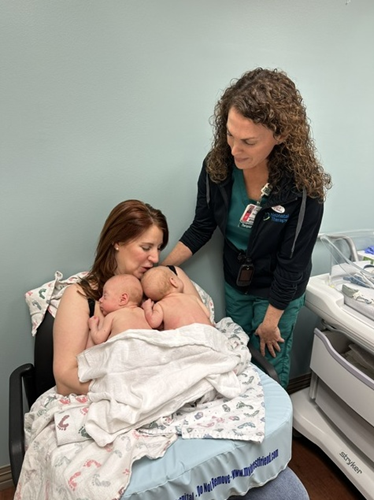
Robynne’s work has grown beyond one clinical intervention. She continues to evaluate outcomes, refine the NICU feeding protocol, educate neonatal therapists, and collaborate with lactation and interdisciplinary teams to improve feeding care. She has also shared her work through research and professional presentations at the national and international levels, earning recognition for her evidence-based practice. She is currently working on a research study about using NMES in the NICU to treat dysphagia so that other therapists can replicate this protocol in their practice.
By questioning why dysphagia treatment often occurs when infants leave the NICU, Robynne helped create a different path—one that addresses feeding challenges earlier, while babies and families are still surrounded by the clinical team. Through evidence, collaboration, and a commitment to feeding as a foundational occupation, Robynne is helping medically fragile infants overcome one of their final barriers to discharge so that families can go home together sooner.
“The NMES program was developed, implemented, and evaluated using rigorous evidence-based practice methods, with careful attention to safety, certification, and interdisciplinary collaboration… This work reflects my ongoing commitment to improving the quality of life for medically fragile infants and their families. By addressing feeding challenges proactively and before discharge, this program supports earlier family reunification, preservation of the feeding relationship, and reduced medical and emotional burden.”
Robynne Rembecki
Innovation Award Winner