Occupational Therapist Helping Children Regain Confidence Through Pediatric Pelvic Health
Dr. Quiara Smith, an occupational therapist from California, provides innovative pediatric pelvic healthcare to help children build confidence and independence so they can participate fully in everyday life.

Quiara Smith, OTD, OTR/L, CEIM
Owner/CEO/Director of Therapy, Aloha Integrative Therapy
Adjunct Instructor, Hawaiʻi Pacific University
Location: California
Certified in 2010
Helping Kids Get Back to Being Kids
Dr. Quiara Smith has spent her career embedding pediatric pelvic health into everyday occupational therapy practice. She works with children and teens to overcome challenges with toileting, continence, constipation, and interoception. She recognizes that these concerns are not isolated bodily functions but barriers that can affect confidence, independence, relationships, and participation across nearly every area of a child’s life. Her work is grounded in the belief that toileting is about more than what happens in the bathroom; it can determine whether a child feels comfortable going to school, visiting a friend’s house, attending a sleepover, playing sports, or simply moving through the day without fear of an accident. By addressing the underlying factors that affect toileting or continence issues, Dr. Smith is helping her clients achieve independence so they can participate more fully in their lives and get back to one of the most important occupations of all—being a kid.
Looking Beyond the Behavior
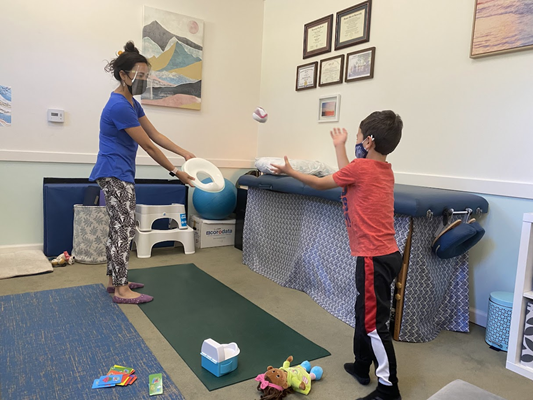
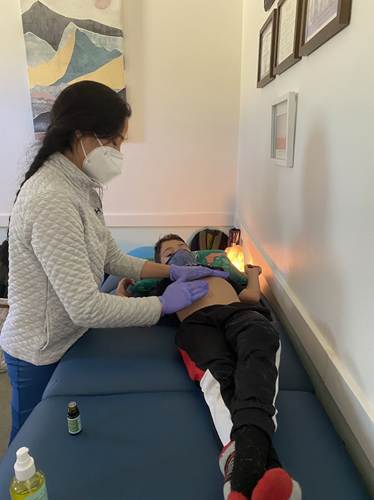
Pediatric pelvic health concerns are often overlooked. Many of the children who come to Dr. Smith have already spent years struggling with chronic accidents, severe constipation, urinary urgency, or toileting refusal, and have been described as “noncompliant” or “not ready” for toileting independence. Rather than accepting those explanations, Dr. Smith looks deeper. She uses comprehensive occupational therapy evaluation that incorporates pelvic health screening questions to uncover hidden barriers to participation, such as sensory processing challenges, interoceptive differences, postural instability, fear-based toileting avoidance, or pelvic floor muscle coordination differences. Instead of approaching toileting through pressure, Dr. Smith uses trauma-informed, neurodiversity-affirming care that prioritizes choice, emotional safety, and bodily autonomy. Her therapy incorporates play, regulation strategies, sensory supports, positioning adaptations, breathing, body awareness, and environmental modifications. She uses play-based pelvic floor muscle coordination activities that are developmentally appropriate and engaging, allowing her clients to build body awareness and motor control without shame or pressure. Her interventions are designed to align with each client’s natural routines and sensory and regulatory needs. Through her work, Dr. Smith helps her clients understand their bodies, build skills, and regain confidence while empowering families with strategies that make progress possible. That shift can be transformative for children and their families.
Empowering Families to Create a Path to Independence
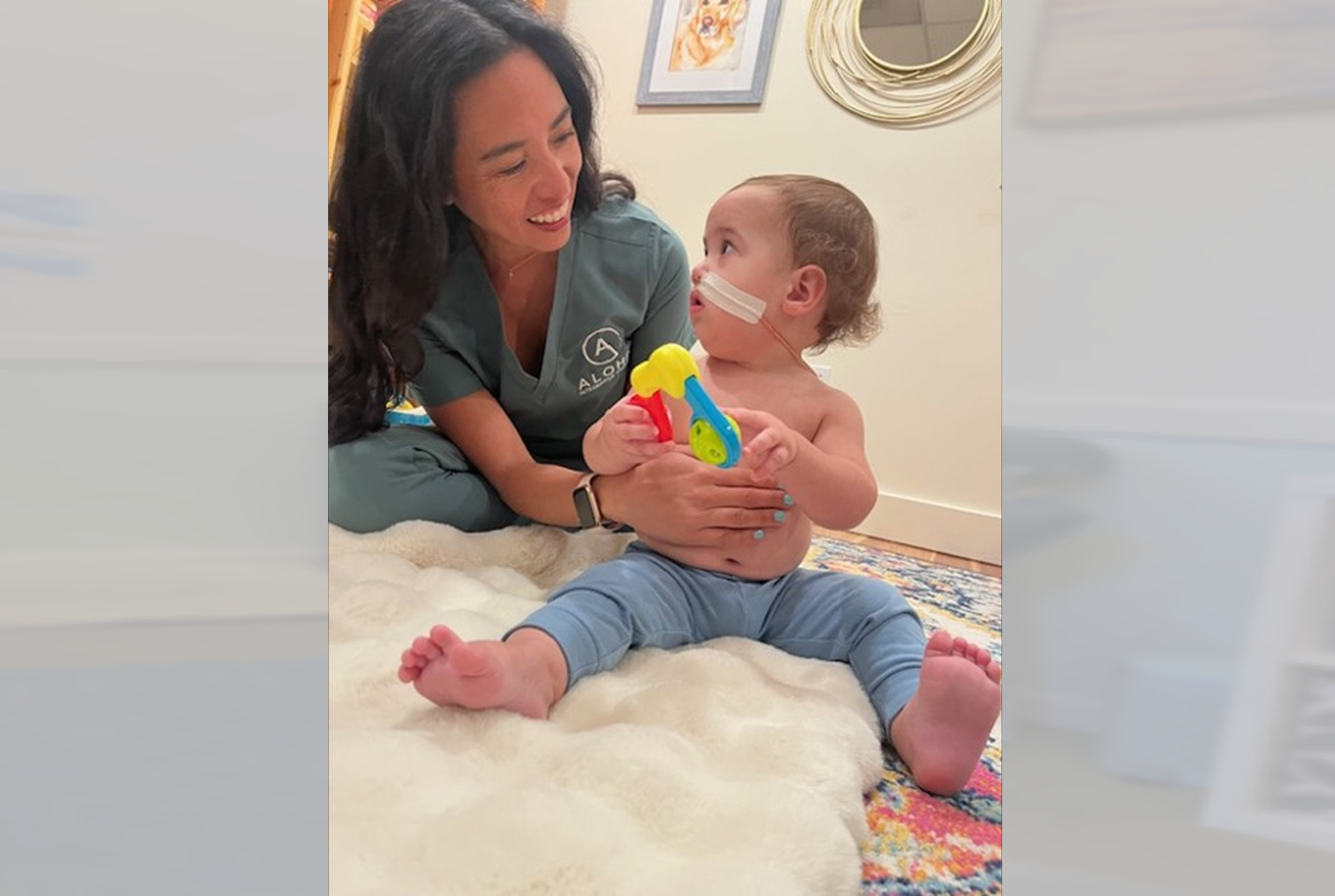
For families who have worked with Dr. Smith, the experience has been impactful and meaningful. Parents often arrive frustrated, worried, or blaming themselves after trying countless strategies to manage their child’s toileting issues. Dr. Smith helps them understand the “why” behind these challenges and replaces pressure with practical methods that can become part of everyday family routines. Her clients have achieved meaningful gains in toileting management and self-regulation, and clients’ families have reported their children’s improved school attendance, reduced anxiety, and increased peer engagement.
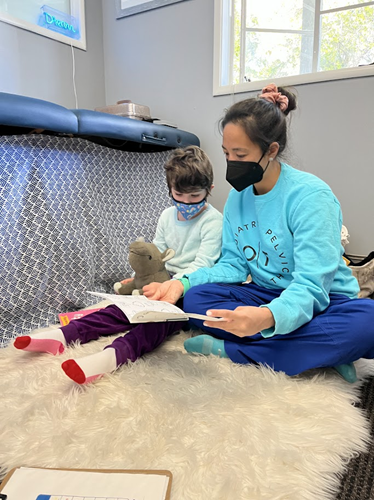
One example is of a 6-year-old child who experienced multiple bowel-related accidents daily despite the family following previous medical recommendations. His mother Holly worried about sending her son to friends’ homes and feared what the condition could mean for him socially as he grew older. Then they met Dr. Smith, and from their first appointment, Holly saw a difference. With Dr. Smith, therapy was fun. She built trust with her client, gave him agency, and used books, toys, physical activities, biofeedback, and other strategies in ways that made him feel comfortable and engaged. Within three months, Holly’s son was having regular bowel movements. He could go to school, visit friends, swim at the neighborhood pool, and participate in everyday activities without his family constantly worrying that an accident might happen. More than two years later, Holly reported that her son continued to do well and that the condition that once consumed so much of their family’s attention was something they rarely thought about anymore.
“Finally, I had met someone who truly understood our situation and could actually help us put it in the past… Everything about [Dr. Smith’s] cozy office, the materials she used, the activities they did, and [her] personality were totally child-friendly. She built an instant rapport with my son, and not only was he comfortable, but he had fun! OT sessions with [Dr. Smith] felt like play… I am forever grateful for the service that [Dr. Smith] provided our family. Her kind, gentle, and fun demeanor helped our son connect with her instantly. Her knowledge and offering of resources helped my husband and I know that we were in good hands, and that we were finally being heard.”
Holly
Client’s parent
Another parent whose daughter has worked with Dr. Smith remotely for four years described how Dr. Smith’s support improved her daughter’s physical outcomes as well as her confidence and emotional well-being.
“Dr. Quiara’s presence has always felt personal, attentive, and deeply supportive. She brings a rare combination of clinical expertise and genuine warmth to every interaction… What sets Dr. Quiara apart is her ability to engage children in a way that feels encouraging and safe, while simultaneously supporting parents with clarity and reassurance… Dr. Quiara’s dedication to her [clients] extends far beyond scheduled appointments. She is committed, responsive, and wholeheartedly invested in the success and dignity of the children and families she serves. Her work changes lives—not only by improving functional outcomes but also by restoring confidence and hope.”
Michaelyn
Client’s parent
Holly’s and Michaelyn’s stories reflect what success looks like in Dr. Smith’s practice. Children who once had toileting or continence concerns can redirect their attention toward learning, friendships, play, and activities that matter to them. They have developed the confidence to recognize, communicate, and advocate for their own body’s needs, while families have gained tools and understanding, all because of Dr. Smith.
Advancing Pediatric Pelvic Health in Occupational Therapy
Dr. Smith’s impact extends beyond the children and families she works with. She has focused on expanding occupational therapy’s capacity in pediatric pelvic health with the goal of making this area approachable and actionable for practitioners. She teaches other practitioners to recognize when toileting difficulties may signal a larger barrier to participation. She mentors occupational therapy and physical therapy practitioners, develops clinical resources, provides education, and collaborates with physicians, therapists, educators, and behavioral health professionals to promote coordinated care. Through this work, Dr. Smith is expanding the understanding of occupational therapy’s role in pediatric pelvic health and challenging the idea that toileting is simply another self-care task to learn. She is committed to advancing pediatric pelvic health within occupational therapy so that all children have the dignity, confidence, and bodily autonomy needed to fully participate in their lives.